


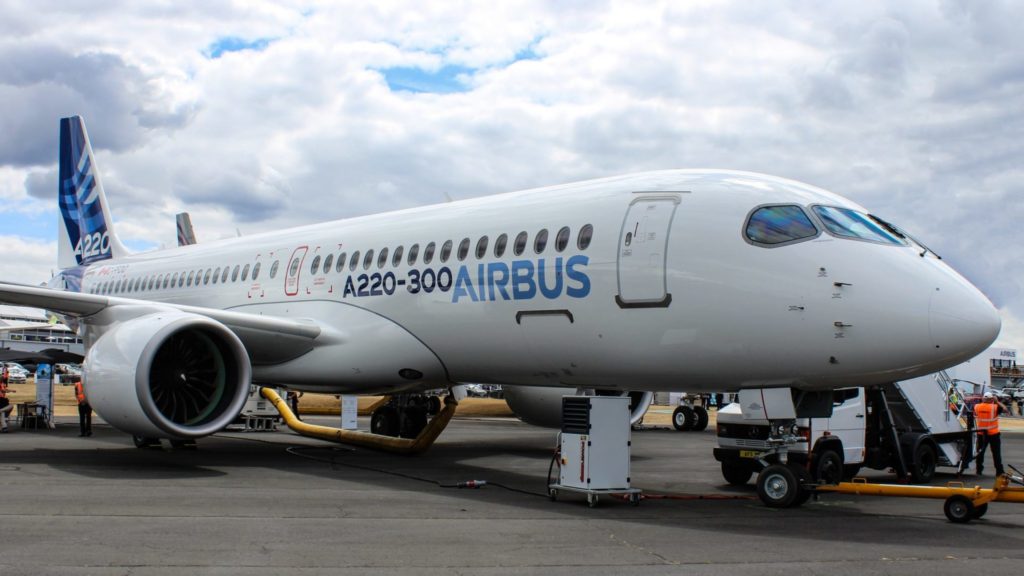
In an unprecedented move, a number of airliners are retiring Airbus A220 aircraft that are just a few years old. This shocking trend is largely the result of ongoing issues with the aircraft’s Pratt & Whitney geared turbofan (GTF) engines, a problem that has led to major operational and financial headaches for a number of carriers.
The Airbus A220 was initially hailed as a revolutionary aircraft for regional and short-haul routes. Its state-of-the-art, “clean-sheet” design promised a massive 25% reduction in operating costs per seat and a significantly quieter, more comfortable flying experience for passengers. However, for some operators, the reality has been a logistical nightmare.
The most prominent case is that of EgyptAir. The Egyptian flag carrier ordered 12 A220s, a purchase that demonstrated significant faith in the new jet. However, the airline’s experience with the aircraft was far from smooth. EgyptAir faced mounting operational difficulties due to persistent engine issues, forcing it to use older, less efficient aircraft to cover routes intended for the A220s. This led to ballooning maintenance costs and reputational damage from flight delays and cancellations.
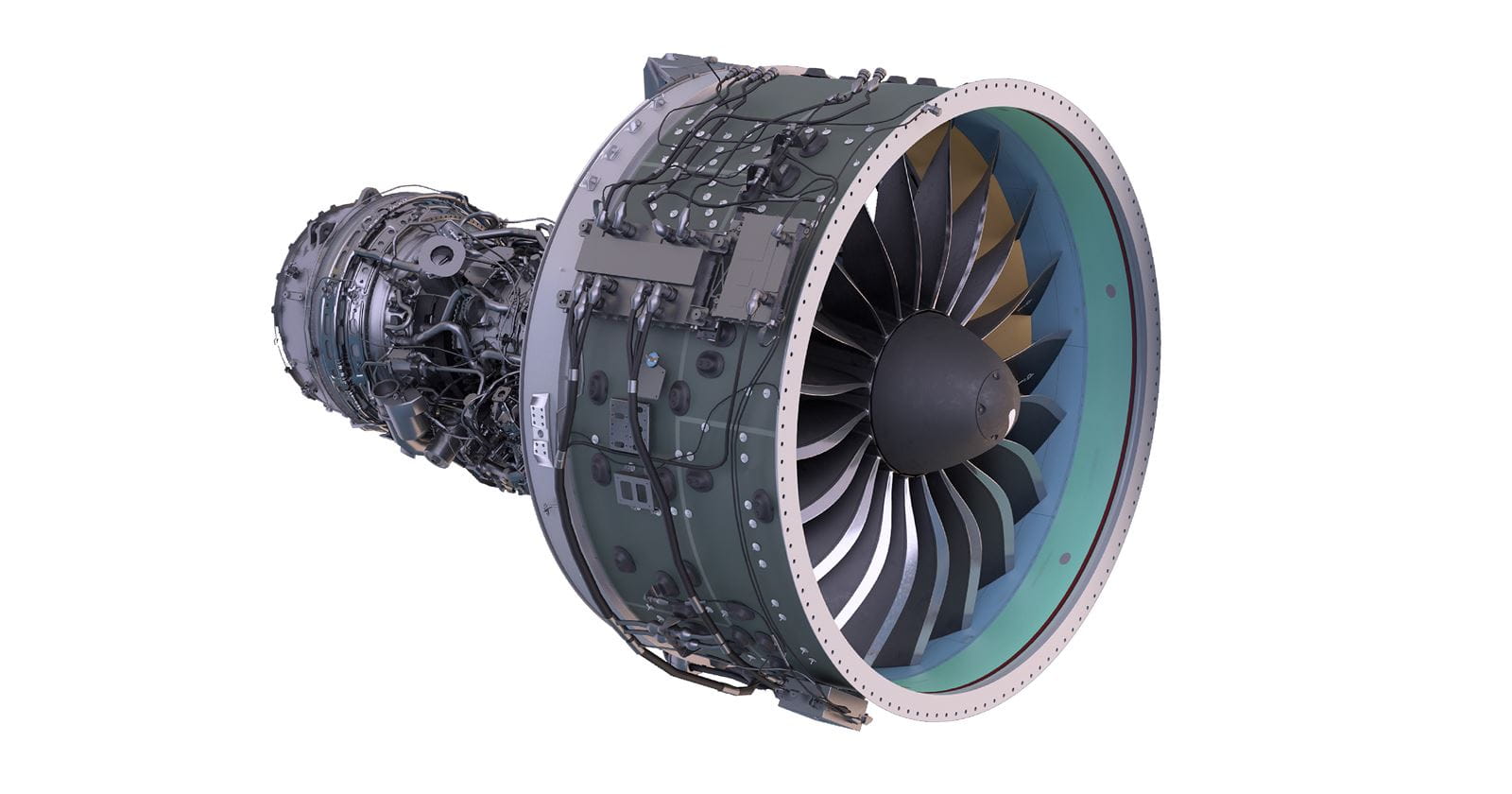
The core of the problem lies in a manufacturing defect with the Pratt & Whitney PW1500G engines, the exclusive powerplant for the A220. A recall was issued due to a specific issue: contaminated powdered metal used in key components, which can lead to premature wear and cracking. While a normal engine would be expected to last for thousands of cycles before major maintenance, some of the A220’s engines were requiring attention after barely 1,000 cycles.
For airlines, the consequences have been severe. A significant number of A220s have been grounded for extended periods, disrupting schedules and incurring substantial financial losses. Pratt & Whitney’s maintenance network is under immense strain, and airlines are facing turnaround times of up to 300 days for engine overhauls. This shortage of serviceable engines and spare parts has created a desperate situation for some operators.
Faced with this crisis, EgyptAir ultimately decided to sell its entire fleet of 12 A220s in early 2024 to a leasing company, Azorra. The sale price of around $300 million was a stark contrast to the initial list price of more than $1 billion. In a telling sign of the times, at least one of these young aircraft has already been dismantled for parts. The economics of “parting out” a jet make perfect sense when its components, such as a serviceable engine, become more valuable than the aircraft itself due to a severe supply chain crisis.

Other airlines have also felt the strain. French carrier Air Austral and Iraqi Airways have both opted to withdraw their A220 fleets, while operators like Air Baltic and Air Tanzania have also been hit by the engine woes. While major operators like Delta Air Lines and JetBlue continue to fly the A220, the widespread engine problems are a significant setback for the programme.
The decision by some carriers to abandon an aircraft type so early in its life cycle serves as a stark warning to the industry. It highlights the critical importance of engine reliability and underscores the risks of a single-supplier engine model. The A220 is a promising aircraft, but until the issues with its engines are resolved, its future in some fleets will remain in doubt.