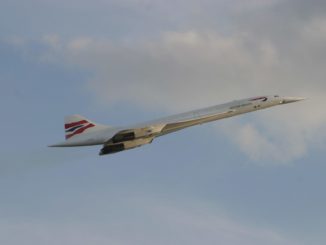
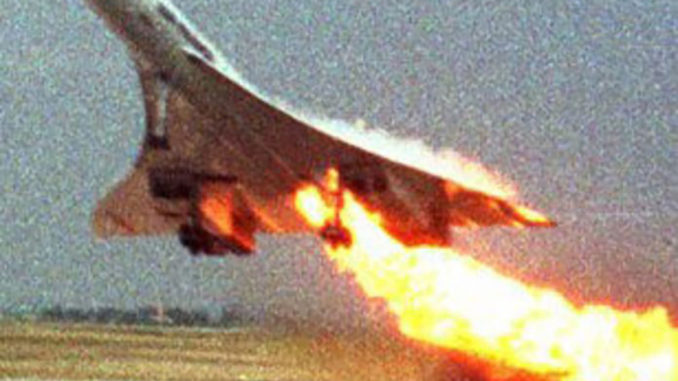
Today marks 25 years since the tragic crash of Air France Flight 4590 — the only fatal accident involving the iconic Concorde. On 25 July 2000, the supersonic jet crashed shortly after take-off from Charles de Gaulle Airport in Paris, killing all 109 people on board and four people on the ground. The disaster sent shockwaves around the world and ultimately signalled the beginning of the end for commercial supersonic travel.
The aircraft, bound for New York’s JFK Airport, was carrying mostly German tourists embarking on a luxury cruise. At 4:44pm local time, just moments after take-off, Concorde burst into flames and plummeted into a hotel in the nearby town of Gonesse. The crash site quickly became the focus of international media attention, with harrowing images of the burning wreckage etched into public memory.
An investigation later determined that the cause of the accident was a strip of metal that had fallen onto the runway from a preceding aircraft. As the Concorde accelerated, one of its tyres struck the metal, rupturing and sending debris into the underside of the wing. This led to a rupture in a fuel tank, which ignited, causing a loss of engine power and control before the plane could climb away safely.
Although the Concorde had long been considered a symbol of aviation excellence — capable of flying passengers across the Atlantic in just over three hours — the accident exposed some of the vulnerabilities in its design. The aircraft was grounded for over a year following the crash, during which time modifications were made to improve tyre strength, reinforce fuel tanks, and introduce better fire prevention measures.
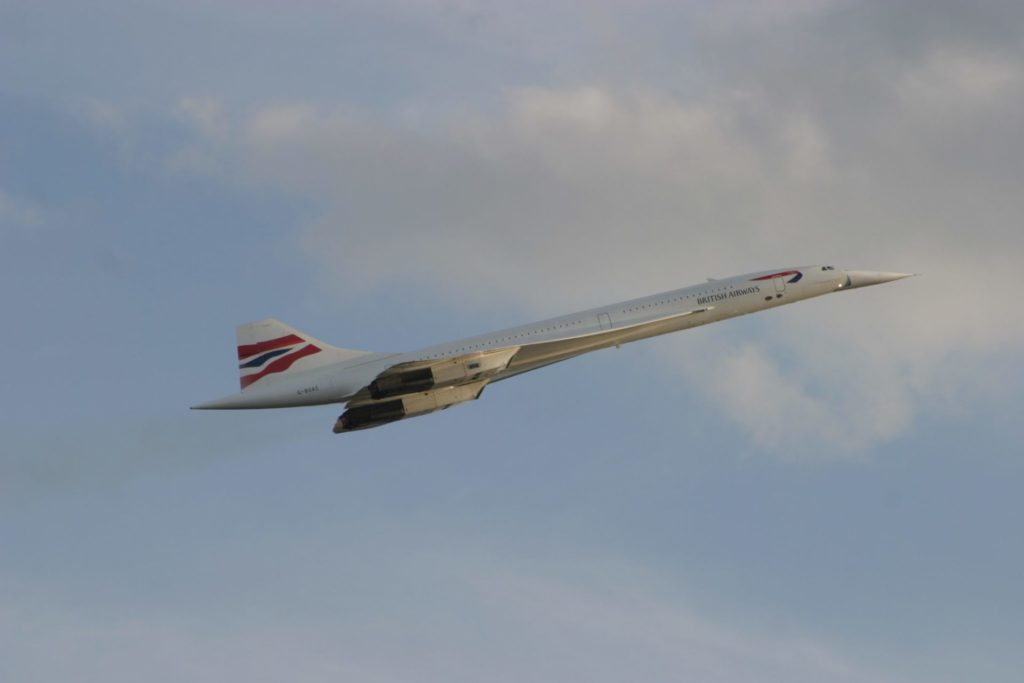
Concorde returned to service in late 2001, but public confidence had been shaken. Passenger numbers declined, and the combined impact of the crash, rising maintenance costs, and the downturn in global aviation following the 9/11 attacks led to its retirement in 2003. The Paris crash remains a sombre milestone in the history of aviation — not only as a tragic loss of life, but as a moment when the dream of routine supersonic flight came to an end.
A quarter of a century on, the legacy of the crash continues to shape how safety is approached in aviation. Tributes are being held in Gonesse and Paris today, with families of the victims and aviation officials gathering to pay their respects. A memorial garden near the crash site stands as a lasting tribute, bearing the names of all who perished.

As the aviation industry looks towards a new generation of supersonic aircraft, the lessons of Concorde Flight 4590 remain deeply relevant. Safety, innovation, and the responsibility to prevent history from repeating itself are now central to every new development. Today, we remember not only a devastating tragedy, but also a defining moment in the story of flight.
Discover more from UK Aviation News
Subscribe to get the latest posts sent to your email.