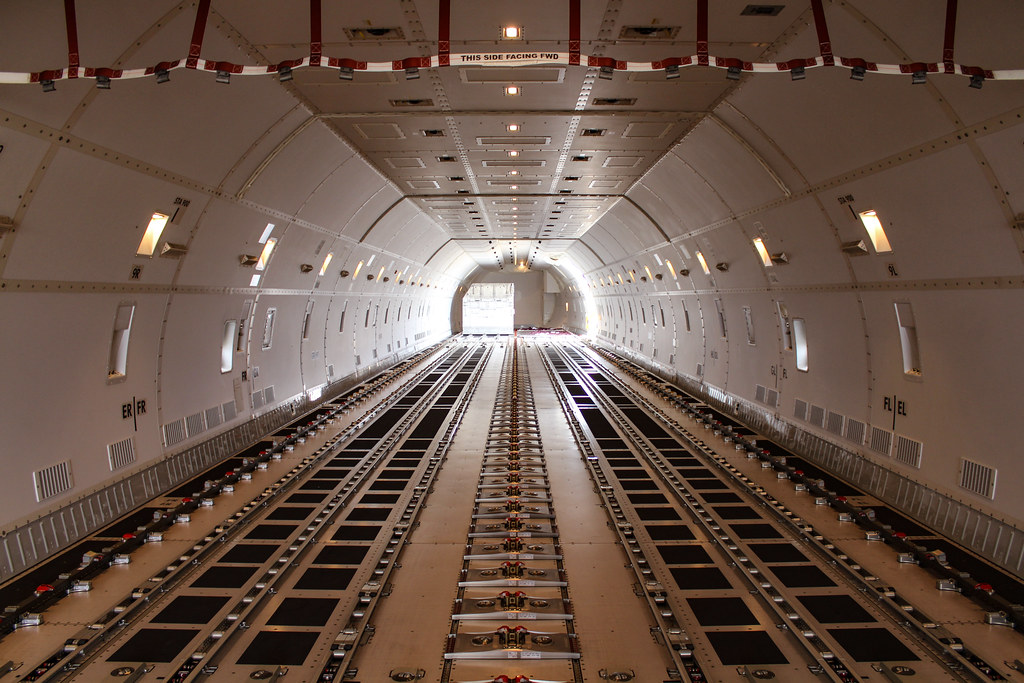
The global freighter fleet is set to grow by more than 40% over the next two decades, according to a new forecast from IBA, the aviation market intelligence and consultancy specialist.
In its Freighter Market Outlook 2025–2044, IBA projects that the fleet will expand by nearly 4,000 aircraft by 2044, rising from around 2,800 in-service aircraft today to just under 6,000. The growth will be fuelled by more than 2,000 passenger-to-freighter (P2F) conversions and some 900 new factory-built deliveries.
The freighter market has already seen unprecedented expansion in recent years, with fleet numbers climbing by 33% between 2019 and 2024. This surge was driven by strong demand and abundant feedstock for P2F conversions. However, IBA expects the pace of expansion to ease, with growth slowing to 11% by 2029.
Short-term demand is predicted to rise more modestly, at just 1–2% annually, reflecting weaker global trade and shifting regional flows as nearshoring and new tariff policies reshape supply chains. Despite this, e-commerce is expected to remain a key driver, growing by 6–7% annually through to 2030, well above global GDP forecasts.
Cargo revenues, which soared during the pandemic, have since stabilised but remain an important source of airline income. Data from IBA’s Insight platform shows that cargo accounted for an average of 41% of airline revenue between 2020 and 2022, before falling back to 13% in 2023 and 14% in 2024 – a return to pre-pandemic levels, when the figure stood at 12% in 2019.
Qatar Airways continues to lead passenger carriers in freight income, generating $4.93 billion in 2024 compared with $2.73 billion in 2019. Emirates followed closely, reporting $4.38 billion in 2024, up from $3.05 billion five years earlier.
Environmental regulation is also emerging as a growing challenge for operators. European carriers already pay around $6 per tonne of CO2 under the EU and UK Emissions Trading Systems, compared with $3–4 per tonne for US-based integrators such as FedEx and UPS. With the phase-out of free allowances by 2027 and CORSIA becoming mandatory, US operators are also expected to face costs of around $350 million each.
While the pandemic-driven boom has subsided, IBA’s analysis suggests the market has now entered a phase of steady, incremental growth. The consultancy expects freighter demand to remain underpinned by trade expansion and GDP, while remaining exposed to short-term volatility and policy shifts.
IBA forecasts 41% growth in global freighter fleet by 2044