


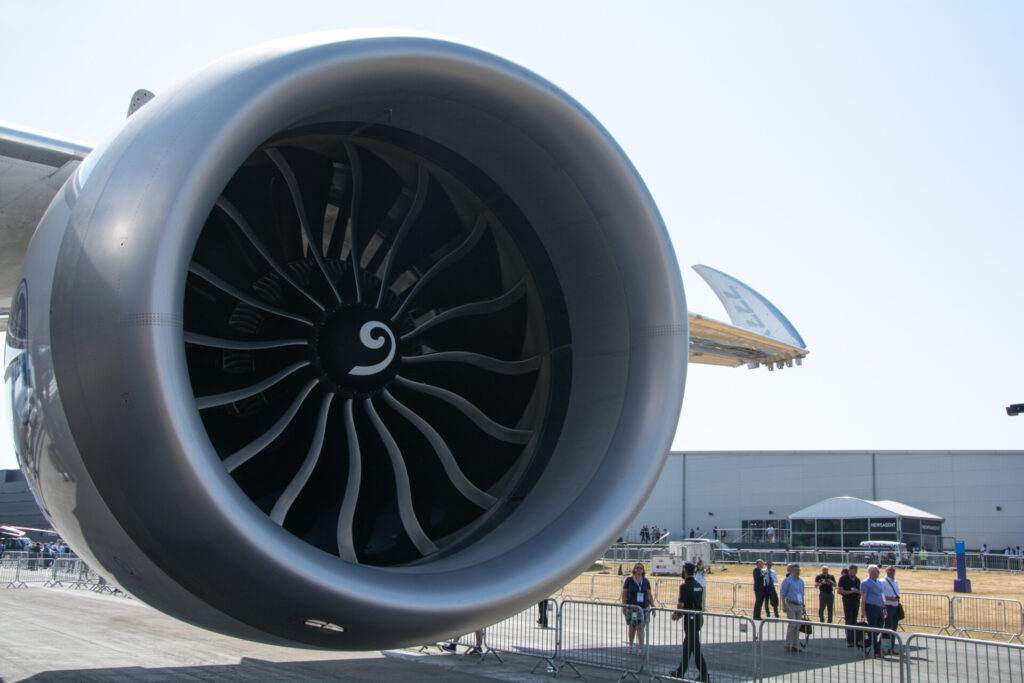
Global aircraft deliveries are expected to reach around 1,800 units in 2026, according to new forecasts from aviation consultancy IBA, as easing inflation, lower fuel prices and improving manufacturer production rates support a more stable outlook for airlines.
The prediction was outlined by IBA’s Chief Economist and Chief Data Officer, Dr Stuart Hatcher, who said macroeconomic conditions next year are likely to resemble those seen in 2025, characterised by market volatility but underpinned by gradually improving fundamentals.
Inflationary pressures are easing across major economies, interest rates are drifting lower and oil prices are expected to remain subdued, reflecting weaker demand from China alongside steady supply from the United States and OPEC. Despite ongoing policy friction and high consumer costs, global trade continues to perform, with travel demand and general consumer spending proving resilient.
“For aviation, the environment is broadly supportive,” Hatcher said. “Fuel prices are lower, airline profitability has improved and operators remain disciplined on capacity growth, largely limiting expansion to incoming deliveries.”
However, he cautioned that such discipline can erode as competition intensifies on key routes, a pattern that has historically led to margin pressure across the sector.

Production recovery gathers pace
Aircraft supply remains a critical swing factor for the industry. IBA notes that 2025 marked a turning point for original equipment manufacturers, with Airbus increasing final assembly activity in preparation for higher production rates, while Boeing’s return to a more stable production flow provided an important confidence signal, despite remaining behind its European rival.
For 2026, IBA forecasts deliveries of just over 900 Airbus aircraft, including around 700 A320-family jets, more than 100 A220s, 42 A330s and approximately 65 A350s. Boeing is expected to deliver around 670 aircraft, comprising roughly 510 737s, more than 100 787s, and between 25 and 30 each of the 767 and 777 Freighter, alongside continued progress towards certification milestones.
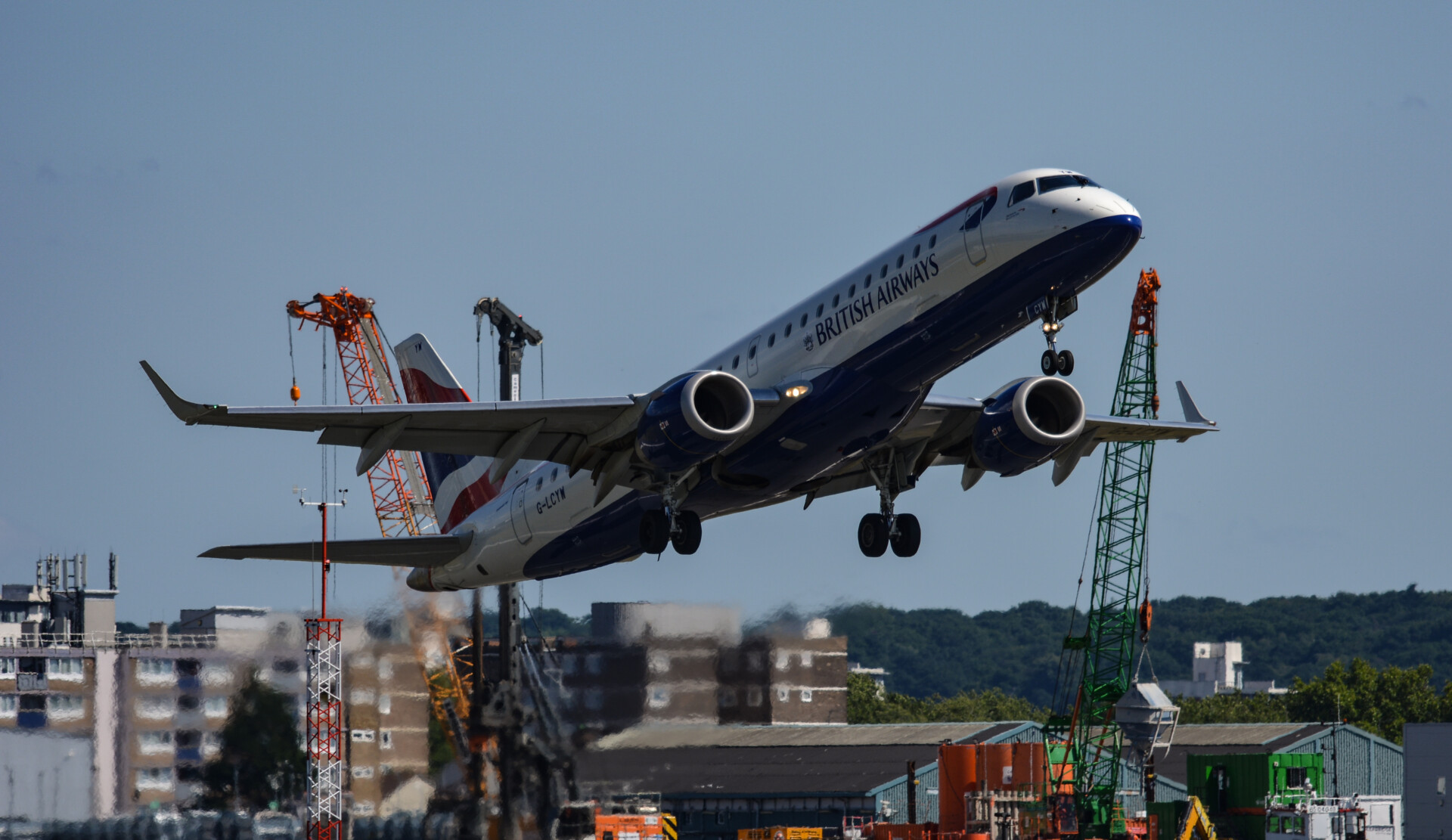
Deliveries from Embraer, ATR and COMAC are expected to broadly align with growth expectations set two years ago, albeit following delays. Embraer is forecast to lead this group with 85–90 E-Jets, while ATR is expected to exceed 40 deliveries. COMAC could deliver more than 55 aircraft across its C909 and C919 programmes, subject to the availability of US-sourced components.
Secondary market and transactions
The impact of rising deliveries on the secondary market remains uncertain. Lease rates for older aircraft have softened slightly but remain well above historical averages, reflecting a balanced market rather than oversupply. Airlines continue to prioritise maximising utilisation of existing assets, with lease starts and terminations at historically low levels and shorter lease tenors becoming the norm.
As delivery volumes increase, questions remain over whether utilisation of older aircraft will return to more traditional levels. While high utilisation is unlikely to be sustainable indefinitely due to maintenance and reliability pressures, improved unit costs and profitability may make it difficult for operators to scale back.
Widebody aircraft continue to show little sign of softening, with market conditions remaining firm and momentum continuing to build.
Transaction activity is expected to increase, driven by new deliveries and sale-and-leaseback activity. Growth in sales with leases attached is likely to dominate, alongside increased asset-backed securities issuance, which could exceed USD 10 billion, further merger and acquisition activity and short-term lease extensions.

Retirement outlook remains unclear
The outlook for aircraft retirements remains mixed. Strong engine demand is supporting part-out activity, but overall retirement volumes may remain below long-term historical norms as operators retain aircraft for longer, particularly amid elevated storage levels of GTF-powered A320-family jets.
Month-on-month improvements since the peak seen in October 2025 are encouraging, although these may be seasonal. Nevertheless, high engine values and lease rates are expected to continue driving opportunistic part-outs across the market.
To read IBA’s full analysis click here.