


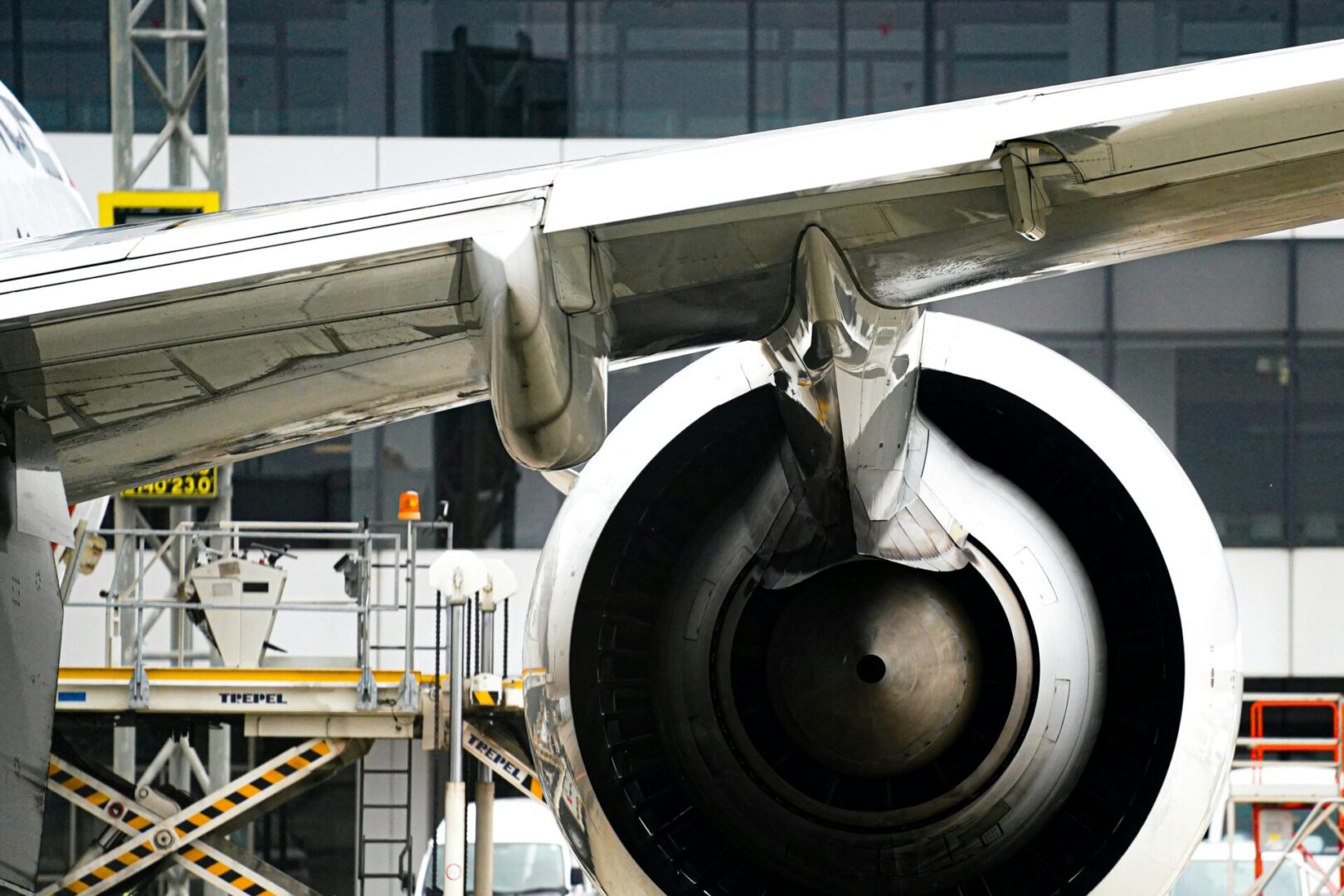
As the aviation industry continues to recover and expand, one field is seeing renewed interest among young people in the UK: aviation maintenance. This sector, essential to keeping aircraft safe and operational, is drawing students who value hands-on work, job stability, and a clear career path.
Today’s students are rethinking traditional academic routes and looking toward technical careers with strong long-term prospects. With a growing demand for skilled engineers and technicians, aviation maintenance presents a promising option. Those exploring this path often seek both practical experience and academic support, including services like graduate essay help for related coursework or application writing.
What Aviation Maintenance Involves
Aviation maintenance professionals inspect, repair, and maintain aircraft to ensure they meet strict safety and performance standards. This work includes both scheduled servicing and unscheduled repairs, covering systems such as hydraulics, avionics, engines, and structural components.
The job requires precision, technical knowledge, and adherence to detailed regulations. Engineers and technicians must work closely with safety inspectors and airline operators to keep aircraft airworthy. It’s a career built on responsibility, skill, and constant learning.
Why Students Are Taking Interest
One reason for the increased interest is the appeal of hands-on learning. Many students find traditional classroom environments limiting and prefer careers where physical problem-solving and real-world application are core elements.
Another factor is job security. Aviation maintenance is a highly regulated and globally essential field. As fleets grow and age, demand for licensed engineers and support staff continues to increase. This means students entering the field now are likely to find consistent employment and opportunities for advancement.
Diverse Entry Points Across the UK
The UK offers multiple entry routes into aviation maintenance, making it accessible to a wide range of students. These include:
Offered by airlines, MRO (Maintenance, Repair, and Overhaul) providers, and independent firms, apprenticeships combine classroom learning with on-the-job training. They often lead to formal certifications such as EASA Part-66 licenses or Level 3 diplomas in aeronautical engineering.
2. Vocational Colleges and Technical Programs:
Further education colleges across the UK offer full-time diplomas in aviation engineering. These programs typically include practical workshop time and theory focused on mechanical, electrical, and avionics systems.
For students seeking broader engineering roles or management tracks, degrees in aerospace or aircraft maintenance engineering provide in-depth technical and theoretical grounding, often with placement opportunities.
Each pathway offers clear progression routes, allowing students to gain qualifications while developing job-ready skills.
Skills That Translate Beyond Aviation
While the focus is aviation, the skills developed in maintenance roles, like mechanical systems, diagnostics, safety compliance, and digital troubleshooting, are transferable across industries. Graduates can move into automotive, rail, marine, or defence sectors if they choose.
This flexibility makes the field even more attractive. Students aren’t limited to one employer or even one sector. They can adapt their training to changing markets and personal interests over time.
Strong Industry Demand and Growth
UK aviation continues to face a shortage of licensed maintenance engineers, particularly as older technicians retire and demand grows for newer aircraft types. This creates a strong incentive for training providers to work closely with industry to prepare students.
Major employers like British Airways, Virgin Atlantic, and regional carriers all operate apprenticeship and graduate programs. Many MROs and airport engineering departments also recruit regularly from technical colleges. The Civil Aviation Authority (CAA) supports workforce development by outlining clear licensing and competency frameworks.
Day-to-Day Work and Career Progression
Aviation maintenance is rarely routine. Tasks can vary from day-to-day inspections to major overhauls. Technicians might work in hangars, line maintenance on airport ramps, or specialist repair facilities. Shift work is common, but it allows for flexible schedules and diverse experiences.
Over time, engineers can specialize in specific systems or move into roles such as quality assurance, compliance, or team leadership. With additional training, they can progress to certifying engineers, responsible for signing off work and ensuring regulatory compliance.
Conclusion
Aviation maintenance is no longer a quiet corner of the industry. It’s a growth area drawing the attention of motivated students across the UK. With multiple training routes, consistent demand, and the opportunity to build a long-term technical career, it offers a clear path from student to specialist.
For educators and career advisors, highlighting aviation maintenance means showing students that engineering success doesn’t always require a university-only route. For students, it offers a dynamic, respected, and well-supported way to launch a future in aviation and beyond.