
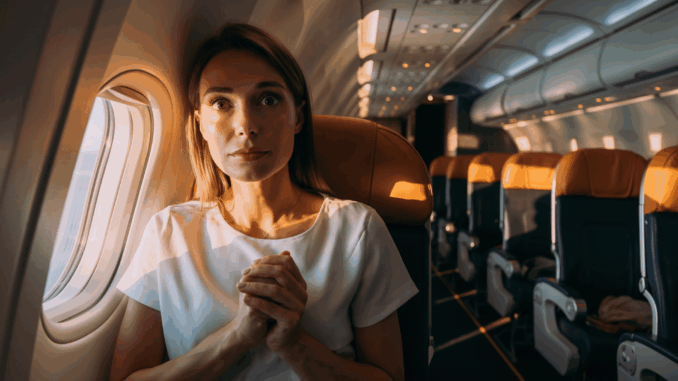
For many travellers, the journey truly begins the moment they step onto an aircraft – the thrill of take-off, the hum of engines, the promise of adventure ahead. But for others, the mere thought of flying can spark a wave of anxiety strong enough to keep their feet firmly on the ground. This fear, known as aerophobia, affects millions of people around the world – and it can put serious limits on one’s freedom to explore.
What Exactly Is Aerophobia?
Aerophobia is the fear of flying, and it manifests in all sorts of ways. For some, it’s a nervous flutter in the stomach before boarding. For others, it’s a full-blown panic attack at the sight of a runway. The fear often stems from a sense of losing control, claustrophobia, or even previous bad experiences with turbulence. While the mind races with “what if” scenarios, the body reacts physically – sweaty palms, racing heartbeat, and shallow breathing are all common symptoms.
The irony, of course, is that flying is remarkably safe. Statistically, you’re far more likely to encounter trouble on the drive to the airport than in the air. But logic alone isn’t always enough to calm the nerves – which is why tackling aerophobia often requires a more practical, hands-on approach.
How to Take Back Control
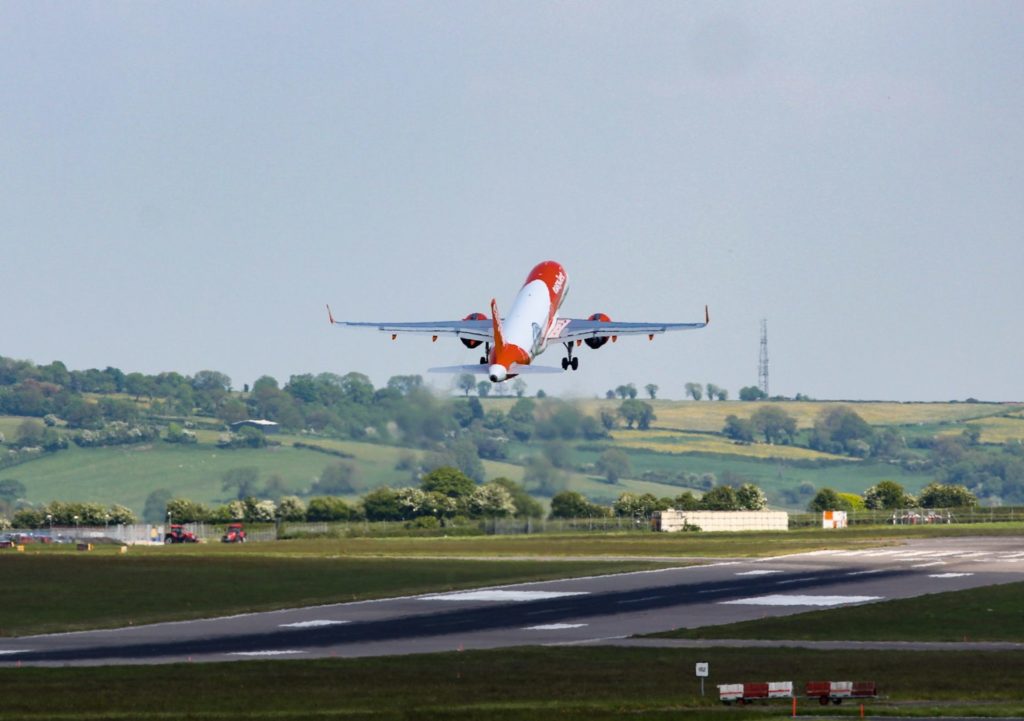
The good news? Aerophobia can be conquered. Airlines and mental health professionals have made great strides in helping nervous flyers rediscover the joy of air travel. Many major carriers, including British Airways and easyJet, run Fear of Flying courses, which mix expert explanations with relaxation techniques. Pilots talk through everything from how turbulence works to what every sound on the aircraft means — and by demystifying the experience, they take away much of its power to intimidate.
Cognitive behavioural therapy (CBT) is another proven method. It helps identify and reframe negative thought patterns, replacing panic with perspective. Meanwhile, mindfulness, controlled breathing, and visualisation techniques can help keep nerves at bay mid-flight.
For the tech-savvy traveller, there’s even virtual reality. Some apps allow you to simulate a flight from take-off to landing, getting used to the sensations in a calm, controlled environment before the real thing.
The Sky’s the Limit
Imagine being able to board a plane with a smile instead of a grimace – to look forward to distant cities, beaches, and cultures rather than dreading the journey there. Overcoming aerophobia isn’t just about conquering a fear; it’s about reclaiming your freedom to explore the world.
With the right knowledge, tools, and support, the skies can feel friendly again. So next time you hear the boarding call, take a deep breath, remember how safe you are – and look out the window. The view really is worth it.
Discover more from UK Aviation News
Subscribe to get the latest posts sent to your email.