
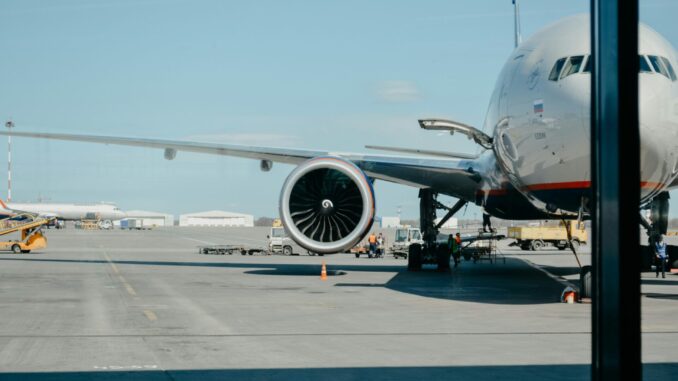
Aviation emergency response has always been centred on protecting lives. Airports and airlines invest heavily in fire brigades, evacuation systems, and medical preparedness to deal with unexpected incidents.
But as global awareness of environmental impact grows, the aviation industry faces a new challenge. They need to maintain uncompromising safety standards while ensuring that their emergency practices don’t harm the planet.
This balancing act isn’t simple. Emergency response requires speed and precision, which often means relying on powerful materials, technologies, and procedures. Yet some of these traditional tools, from chemical firefighting foams to single-use medical equipment, carry long-term environmental costs.
The aviation industry is now working to integrate sustainability into every stage of emergency planning without weakening the safety net passengers depend on.
Firefighting Systems and Environmental Responsibility
Fire remains one of the most urgent risks in aviation, and firefighting capabilities are critical at every major airport. Consider the recent example of the crash at London Southend Airport in July 2025. According to the BBC, the Dutch company Zeusch Aviation’s SUZ1 flight was involved in the accident.
As the plane crashed, there was a huge fire and smoke in the aftermath. For decades, aqueous film-forming foams (AFFF) containing per- and polyfluoroalkyl substances (PFAS) have been used to extinguish such intense fuel fires.
However, growing evidence of PFAS contamination has brought this practice under scrutiny. According to TorHoerman Law, many firefighters, military, and aviation professionals exposed to PFAS have witnessed numerous health problems. They have filed AFFF lawsuits against manufacturers, alleging that they knew about the potential health problems.
Storing large quantities of AFFF foam also increases the likelihood of it spilling into the environment. According to the Maine government, around 1,450 gallons of AFFF mixed with 50,000 gallons of water were released in August 2024. The incident occurred at Brunswick Executive Airport from Hangar 4.
The aviation industry is now exploring fluorine-free alternatives and improved containment systems to minimise impact while maintaining emergency response capabilities. However, ensuring the same efficiency as PFAS-based AFFF is becoming a challenge for manufacturers.
Medical Preparedness and Waste Reduction
Beyond fire, airports and airlines also prepare for medical emergencies ranging from cardiac events to sudden illness on board.
These incidents are rare, as found in a JMIR Publications study. The study concluded that there were 199 in-flight medical emergencies and 24 deaths among nearly 450 million travellers on a Mainland China airline. Thus, the incidence rate was only 0.44 in a million passengers.
However, they do occur and may even cause emergency landings. For instance, a People.com article notes that an EasyJet commercial flight was forced to make a diverted landing in February 2025.
The pilot of the flight, travelling from Egypt to England, reportedly collapsed mid-air. It was, therefore, landed in Athens, Greece. Similarly, a British Airways flight requested a priority landing for a similar situation. According to Travel Radar, the pilots transmitted a 7700 code for a medical incident involving a senior passenger.
Airports need to prepare for such emergencies. Medical kits, defibrillators, and oxygen systems are essential tools. However, they also pose challenges related to single-use plastics and biohazardous waste. Besides medical waste, the aviation industry can also produce other hazardous waste, such as corrosive materials, flammable liquids, toxic chemicals, and radioactive materials.
Some operators are beginning to adopt sustainable procurement practices for medical supplies, while others explore reusable equipment where safety regulations allow. The balance lies in ensuring equipment is sterile, reliable, and immediately available, while also reducing unnecessary waste.
Responding to Extreme Weather Events
Climate change itself is introducing new pressures on aviation emergency response. The World Economic Forum conducted a survey of 50 airports in Latin America and the Caribbean to understand the impact.
It was found that nearly all of them are facing consequences like increased flooding risks, higher temperatures, and more storms. All of these can have an adverse impact on the aviation industry. For instance, higher temperatures can complicate takeoffs to such an extreme that the flight might have to be cancelled.
Similarly, climate change can also increase the chances of undetectable clear air turbulence. This can pose significant safety risks and financial losses.
Airports must now account for flooding, heatwaves, and stronger storms. Emergency shelters, backup power systems, and weather monitoring technologies are being redesigned with resilience and sustainability in mind.
For instance, airports in coastal regions are investing in renewable-powered backup generators to ensure operations continue during outages. This reduces reliance on diesel systems that add to carbon emissions. Here again, the goal is dual: immediate safety for passengers and crews, plus long-term protection for the environment.
Frequently Asked Questions
Are there international standards guiding sustainability in aviation emergency systems?
While safety regulations are well-established through organisations like ICAO (International Civil Aviation Organisation), sustainability standards are still emerging and vary from region to region. Some airports adopt voluntary frameworks, such as carbon accreditation schemes, to ensure their emergency practices align with broader environmental goals.
What are the four pillars of safety in aviation?
The four pillars of safety in aviation include describing the system, identifying the hazards, assessing the risks, and mitigating them. Based on the description and assessment, the management team should create a safety plan. It should include safety policy, risk management, safety assurance, employee training, etc.
Can passengers play a role in improving the balance between safety and sustainability?
Yes. Passengers who follow crew instructions quickly and accurately during emergencies reduce the need for prolonged evacuations or repeat drills. Additionally, awareness campaigns encourage travellers to support airlines and airports that commit to sustainable practices, indirectly pushing the industry toward greener solutions.
Balancing safety and sustainability in aviation emergency response requires ongoing innovation, regulatory oversight, and a willingness to rethink traditional practices. Firefighting foams, medical kits, evacuation tools, and storm preparedness all illustrate the tension between immediate safety needs and long-term environmental stewardship.
The challenge is not to choose one over the other, but to develop emergency systems that serve both. As aviation continues to evolve, the industry’s ability to protect lives while protecting the planet will define the next generation of emergency response.
Discover more from UK Aviation News
Subscribe to get the latest posts sent to your email.