he long-running rivalry between Airbus and Boeing once again defined the commercial aviation landscape in 2025. While both manufacturers ended the year in far stronger shape than during the pandemic recovery years, the story behind the numbers shows two very different paths to success — and a clear divide between the single-aisle and widebody markets.
Deliveries: Airbus stays ahead
When it came to aircraft delivered to airlines, Airbus retained its lead over Boeing throughout 2025.
By the end of November, Airbus had handed over 657 commercial aircraft, maintaining a comfortable margin over Boeing, which had delivered 537 jets over the same period. Airbus later confirmed that supply chain disruption had forced it to slightly trim its full-year target to around 790 aircraft, down from the 820 originally planned.
Even with that adjustment, Airbus once again emerged as the world’s largest aircraft manufacturer by deliveries – a position it has now held consistently since 2019.

Orders: a closer and more competitive race
While Airbus led in deliveries, the orders race was much tighter.
By the end of November, Airbus had recorded 797 gross orders, resulting in around 700 net orders once cancellations were accounted for. Boeing, however, remained highly competitive throughout the year and in several months actually outpaced Airbus in net order intake.
The key difference lay in what each manufacturer was selling.
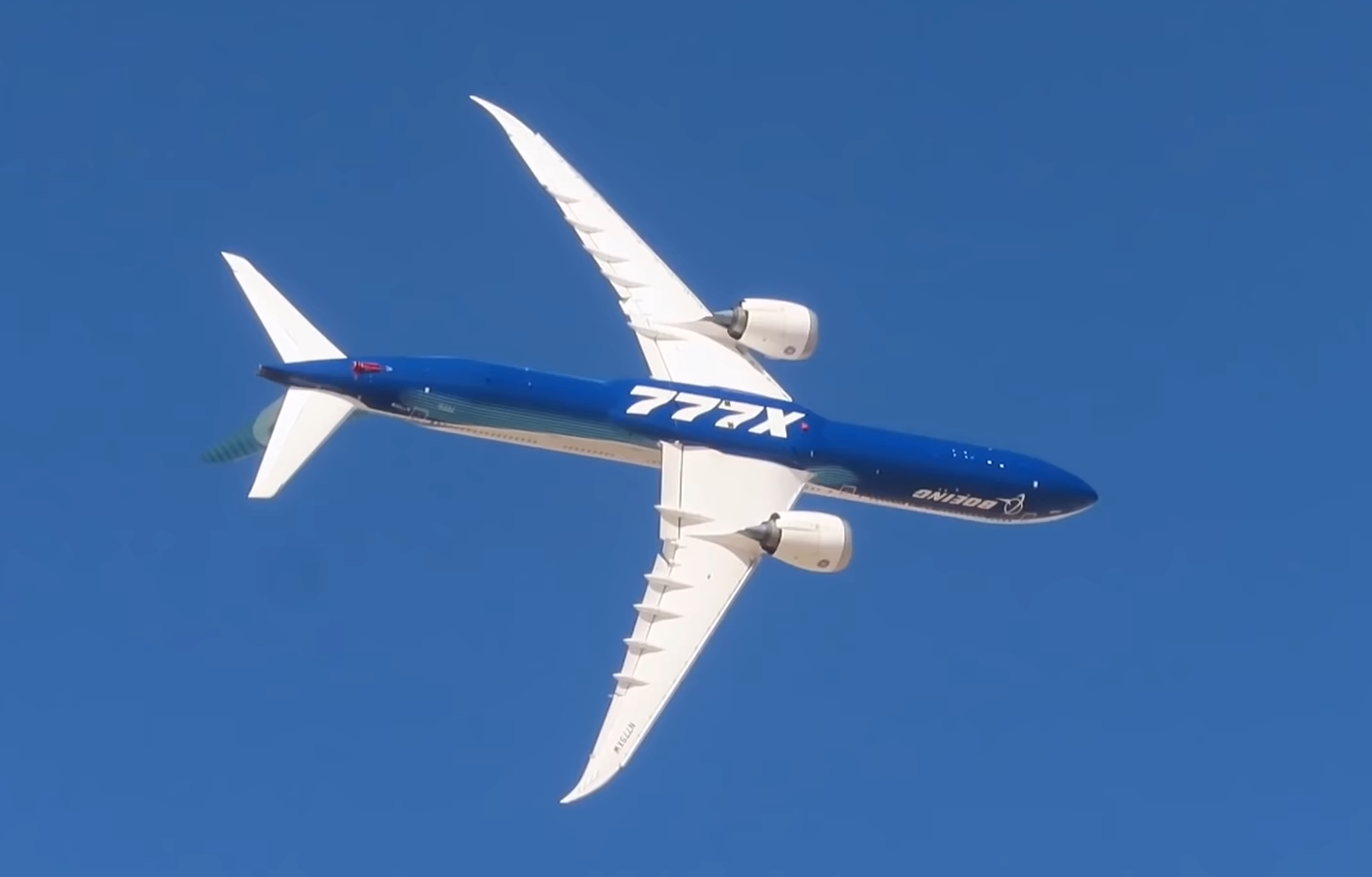
Airbus’ orderbook continued to be dominated by the A320neo family, reflecting airlines’ ongoing demand for efficient, short- and medium-haul aircraft. Boeing, meanwhile, saw renewed interest in its widebody portfolio, particularly the 777 family, helping it close the gap despite lower overall delivery numbers.
Single-aisle dominance continues
The narrowbody market remained the backbone of commercial aviation in 2025.
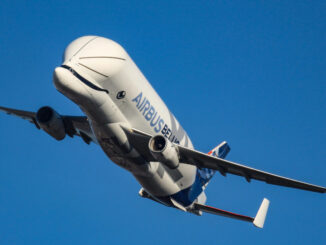
For Airbus, single-aisle aircraft accounted for the vast majority of output. Of the 507 aircraft delivered in the first nine months alone, more than 90 per cent were from the A220 and A320 families. Widebody deliveries, the A330 and A350, made up only a small fraction of total volume.
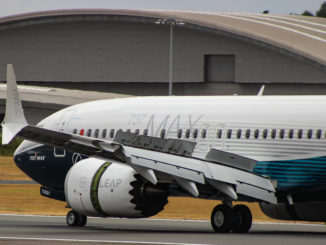
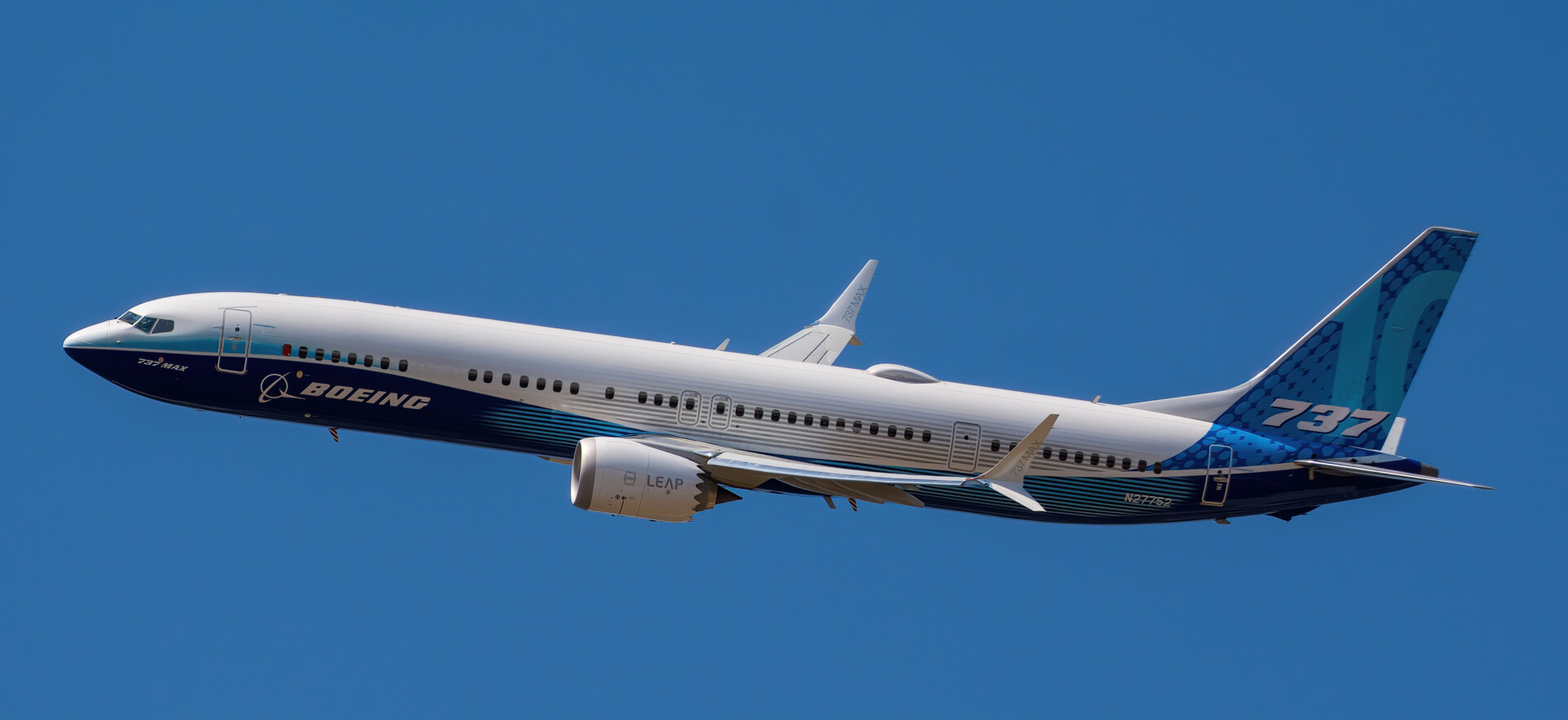
Boeing followed a similar pattern. The 737 MAX continued to dominate its delivery figures, regularly accounting for three quarters or more of monthly handovers. Even in strong delivery months, widebodies such as the 787 and 777 formed a minority of total aircraft delivered.
In short, 2025 reaffirmed a long-established truth: single-aisle aircraft drive the industry, both in volume and in long-term fleet planning.
Widebodies: fewer aircraft, bigger strategic impact
Although widebodies represented a smaller share of deliveries, they played an outsized role in shaping the narrative of 2025.
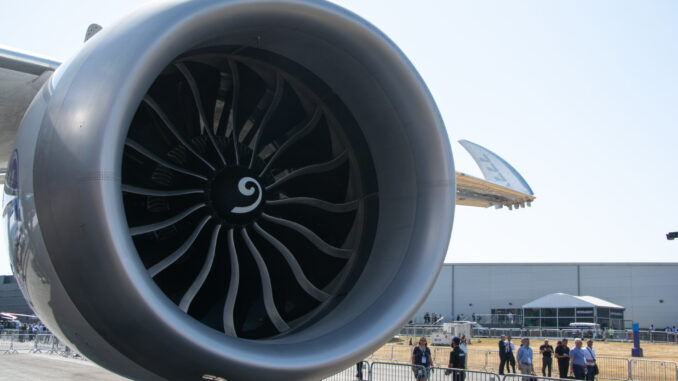
For Boeing in particular, widebody orders provided a crucial boost. Airlines renewed confidence in long-haul growth, especially in the Asia-Pacific and Middle East markets, leading to new commitments for the 777 and 787 families.
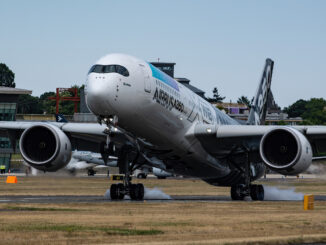
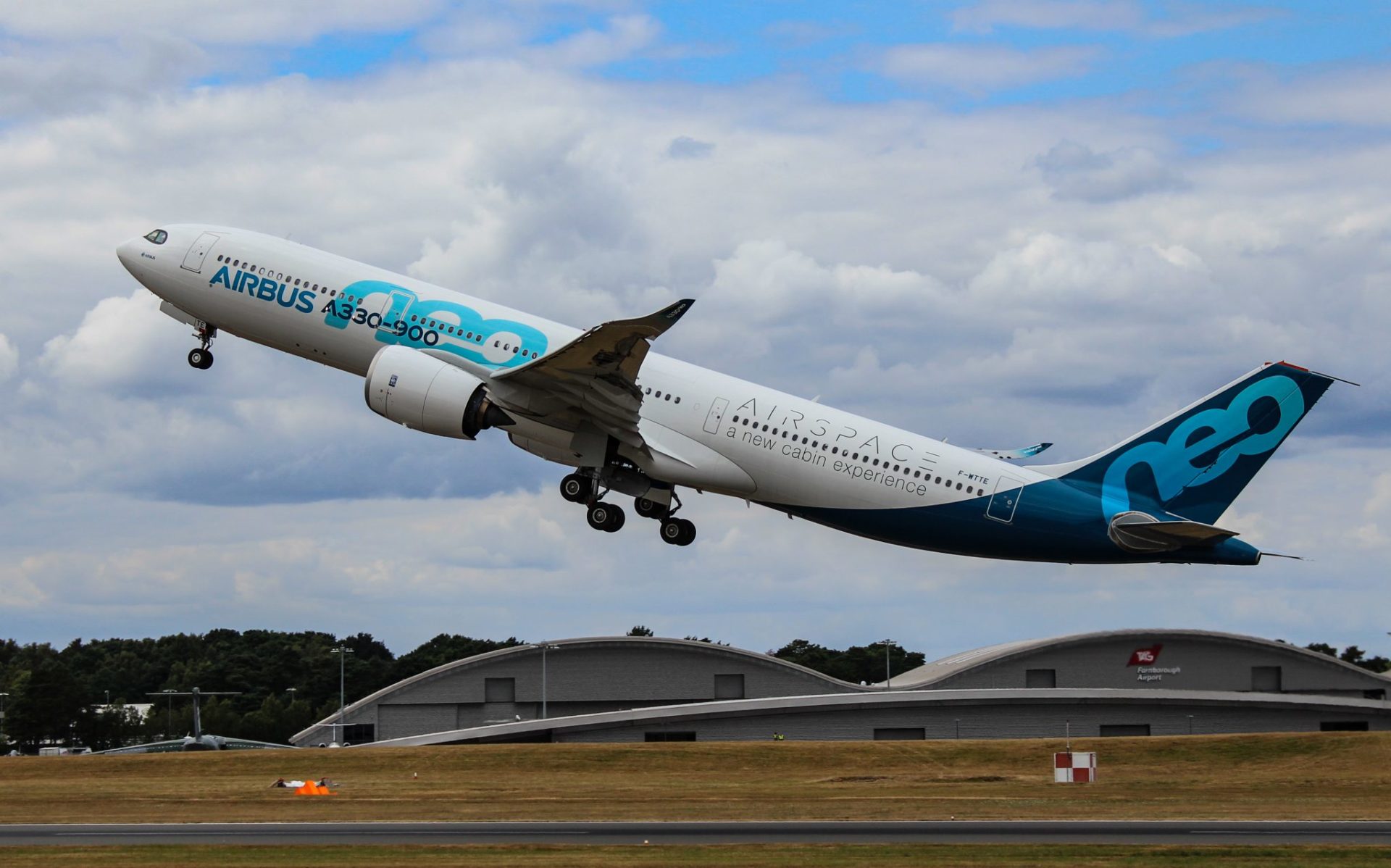
Airbus also saw steady demand for the A350, though its widebody programme remains more focused on gradual, stable growth rather than large order surges.
The contrast was clear:
The bigger picture
By the end of 2025, the commercial aircraft market had settled into a familiar rhythm:
- Airbus remained the production leader, driven by its highly efficient single-aisle line.
- Boeing continued its recovery, with improving delivery performance and renewed confidence in its widebody programmes.
- Single-aisle aircraft continued to define airline fleet strategies.
- Widebodies, while fewer in number, once again became strategically important as long-haul demand strengthened.
With both manufacturers entering 2026 with strong backlogs and improving supply chains, the Airbus–Boeing rivalry looks set to remain as competitive, and closely watched, as ever.
Note: Airbus has not yet released official figures for December.
Discover more from UK Aviation News
Subscribe to get the latest posts sent to your email.