Airbus and Boeing have officially completed the long-planned carve-up of Spirit AeroSystems, bringing one of the world’s largest aerostructures suppliers under the direct control of the two dominant aircraft manufacturers. The move marks one of the biggest reshuffles of the global aerospace supply chain in decades.
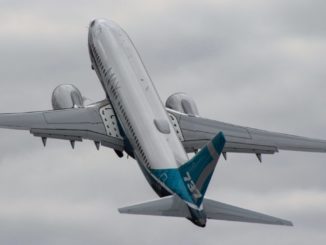
The transaction, finalised on 8 December, sees Boeing regain ownership of Spirit’s operations tied to its commercial and defence programmes — including the 737 fuselage line in Wichita and work on the 767, 777 and 787. Around 15,000 Spirit staff have now transferred to Boeing as part of the integration, along with spare-parts, aftermarket and military-related manufacturing.
Boeing has also created a new subsidiary, Spirit Defense, to manage defence production while maintaining a degree of operational independence for military customers.
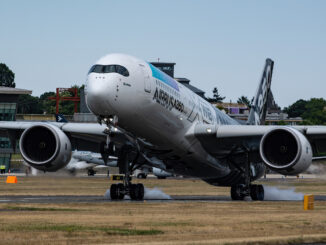
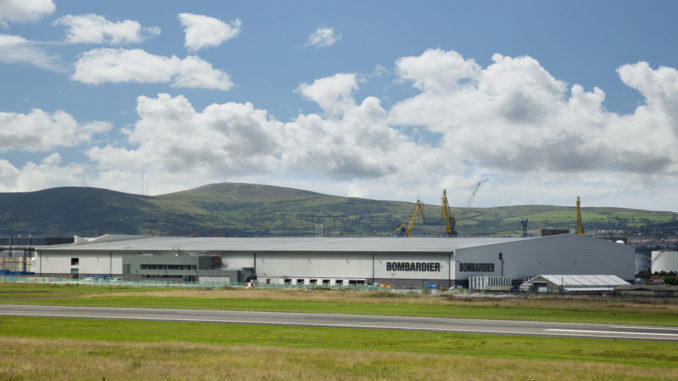
Airbus, meanwhile, has taken over Spirit sites that support its own aircraft programmes. These include major aerostructures facilities such as the Belfast plant in Northern Ireland, now brought in-house to strengthen supply-chain control. More than 4,000 employees have joined Airbus through the deal. The manufacturer has also received a financial “dowry” from Boeing to offset expected losses at some of the transferred sites.
The two-part acquisition follows an agreement first announced in 2024, as Spirit struggled under financial pressure, supply-chain disruption and programme-specific losses. Regulators in the US and Europe approved the breakup on condition that Boeing divest Spirit operations linked to Airbus and other third-party manufacturers to maintain competition.
For Boeing, taking Spirit back into the fold represents a strategic move to stabilise its production lines after years of quality concerns and delivery delays. Bringing fuselage manufacturing and key structures in-house is expected to give the company greater oversight and reduce supply bottlenecks.
For Airbus, the acquisition is primarily about securing critical component flow and insulating itself from disruption at external suppliers. The company gains deeper vertical integration at a time when global supply chains remain stretched.
Across the sector, the end of Spirit as a major independent supplier signals a shift towards greater consolidation and fewer standalone large aerostructure firms. While the move may improve stability for Airbus and Boeing, analysts warn it could reduce diversity in the supply base and raise systemic risk if problems occur at the now OEM-owned facilities.
With the deal now closed, both manufacturers face the challenge of integrating thousands of staff and multiple complex production lines — and proving that bringing Spirit’s operations back under their own umbrellas will translate into improved reliability, resilience and quality across their aircraft programmes.
Discover more from UK Aviation News
Subscribe to get the latest posts sent to your email.